

FCA AI Lab Supercharged Academy
How the FCA AI Lab and CFTE built a ten-week capability programme to help 39 AI and FinTech founders understand how regulated institutions assess, trust, buy and adopt innovation.
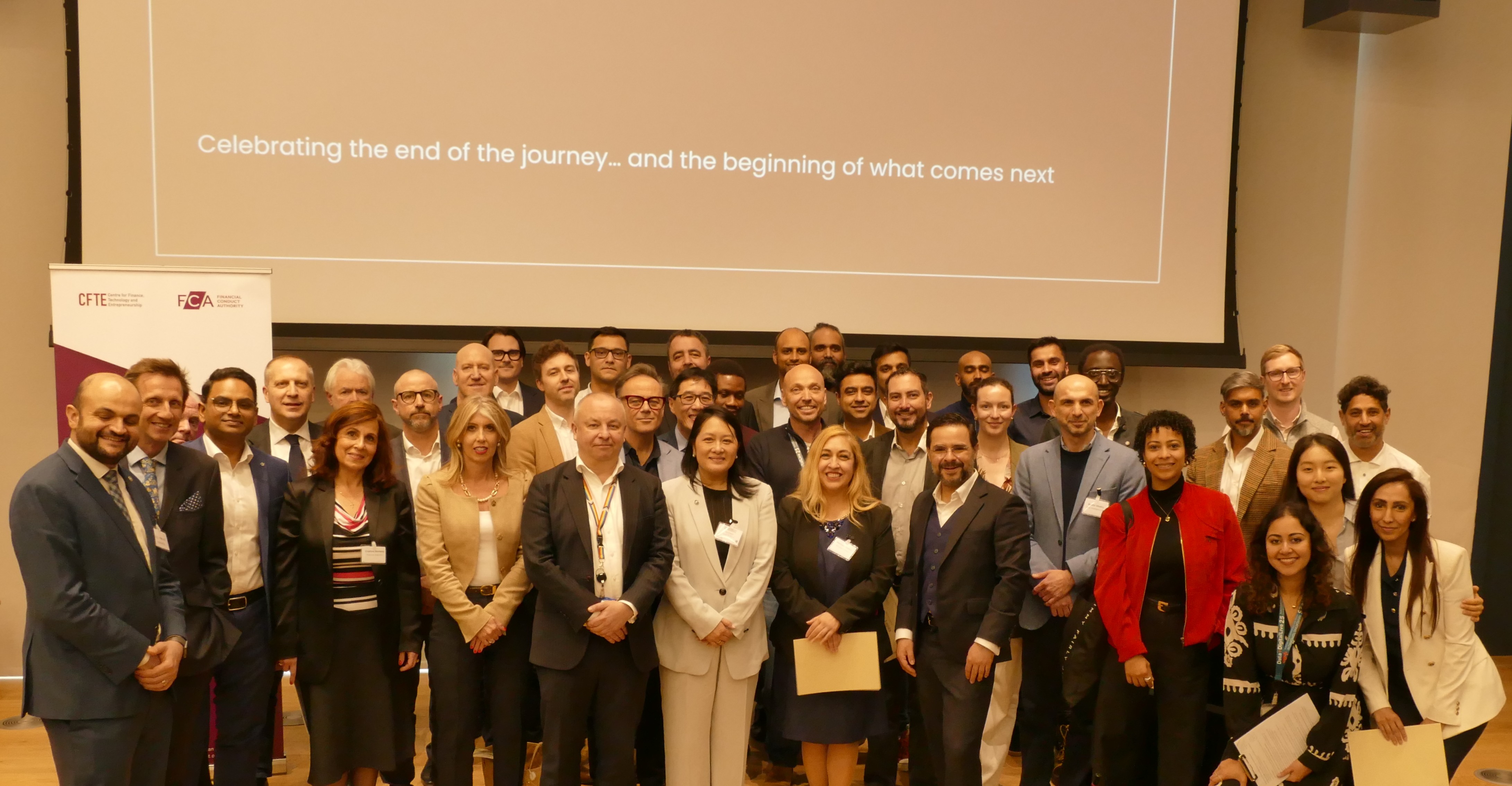
The first FCA AI Lab Supercharged Academy cohort at the London finale, April 2026.
Building the capabilities for responsible adoption
AI tools have made sophisticated products faster to build. Financial services adoption remains harder. Before a regulated institution can use a solution, it must understand the evidence, controls, accountability and customer outcomes behind it.
The FCA AI Lab Supercharged Academy was created for promising innovators who had credible propositions but needed greater readiness for institutional and regulatory engagement. It was not a conventional accelerator or a general AI course. It was a structured pathway into the realities of a high-trust, regulated market.
Expert-led curriculum
Eight live, expert-led masterclasses connected AI product decisions with financial services operations, regulatory context, commercial strategy and responsible adoption.
Ecosystem immersion
An opening summit at the FCA and a London finale connected the cohort with regulators, financial institutions, investors, operators and fellow founders.
Applied mentoring
Eleven specialist office-hour sessions gave founders space to examine the specific commercial, regulatory and operational barriers facing their businesses.
Go-to-market capstone
Each week added a new layer to a complete go-to-market strategy, built around the participant's live product, real buyer and immediate priorities.
The financial services operating gap
Knowing how to build AI is not the same as knowing how the industry buys it. A financial institution is not one buyer. It is business units, risk owners, compliance, legal, technology, procurement and committees, any of which can stop a good product.
The regulatory fluency gap
Knowing the rules is not the same as regulated market readiness. Fluency is reading how a regulated environment shapes incentives, evidence and decisions.
The adoption readiness gap
A strong product still has to answer who uses it, what decisions it influences, how its outputs are explained, what happens when it is wrong, and who is accountable.
Opening summit
The programme opened with a full-day Ecosystem Immersion Summit at the FCA. Founders examined how financial institutions think, how the FCA approaches responsible innovation and how fundraising, compliance, partnerships and buyer expectations shape the path to market.
London finale
The programme concluded in London during UK FinTech Week. Rather than deliver conventional pitches, selected founders presented how their thinking, positioning and market strategy had changed. The cohort then graduated and reconnected with the wider financial services ecosystem.
AI Positioning and Engagement
Define a precise customer, problem and value narrative, then communicate it in terms that matter to regulated-market stakeholders.
From Idea to Execution
Turn an AI use case into an executable design by testing assumptions, defining system boundaries and confronting data, compute and delivery constraints.
How the Financial System Really Works
Understand how banks and other regulated institutions allocate budgets, own risk, approve technology and move through procurement.
FCA Approach to Innovation
Build a clearer understanding of FCA Innovation Services, the initiatives within the FCA AI Lab and the principles that shape responsible innovation.
AI Product Building for FinTech Use Cases
Decide where AI adds value, where it does not and how human oversight, guardrails and accountability should work across real financial services workflows.
AI-Native Teams and Capability Development
Define the people, capabilities, responsibilities and operating model needed to build and scale with AI.
Money, Revenue and the New Startup Economics
Connect the proposition to pricing, early revenue, funding choices and the commercial realities of an AI business.
Building Sustainable Businesses in the AI Era
Build defensibility through data, domain expertise, workflow integration, trust and adaptability as technologies and regulations evolve.
Positioning
A defined ideal customer, primary pain point, positioning statement and priority use case
Feasibility
Assumptions, constraints, system boundaries and execution risks
Institutional adoption
A map of sponsors, risk owners, approvers and the path through procurement
Regulatory alignment
Relevant regulatory themes, likely points of scrutiny and responsible AI requirements
AI design
A rationale for where AI would and would not be used, with human oversight and accountability
Capability
The team, ownership model and capabilities required to deliver and scale
Commercial model
Pricing logic, distribution pathways, funding assumptions and the commercial narrative
Defensibility
The data, expertise, integration and trust mechanisms that could sustain advantage
Execution
A consolidated, client-ready go-to-market pack and a practical 90-day plan
A more precise problem
Founders sharpened their propositions around a specific buyer, workflow and urgent problem rather than a broad description of technical capability.
A more realistic route into institutions
Participants mapped sponsors, users, risk owners, budget holders and approval pathways, creating a clearer view of why enterprise adoption stalls and how to move it forward.
A stronger view of governance
Responsible AI became part of the proposition itself. Evidence, explainability, human oversight, monitoring and auditability were treated as conditions for trust and sources of commercial differentiation.
More controllable AI design
Participants became more deliberate about system boundaries, accountability and the point at which a person must remain in control.
CFTE
Programme partner
Dr Nashwa Saleh
Faculty
Professor Mick O'Connor
Faculty
Sergo Vashakmadze
First-cohort participant
Ankur Mehta
First-cohort participant
Chris Davies
First-cohort participant
Stacey English
Ecosystem
Philip Clements
Ecosystem
It created a constructive pathway for promising innovators who were not yet ready for deeper sandbox-style or institutional engagement.
It surfaced common gaps in institutional understanding, regulatory fluency, responsible AI design and adoption readiness.
It revealed where market activity is emerging across compliance, financial crime, governance, reporting, customer outcomes and agentic systems.
It provided evidence that innovators value structured progression, challenge, feedback and application, not information alone.
It supported a better-prepared innovation ecosystem without implying FCA approval, assurance or endorsement of any participant or product.
Financial institutions preparing teams to adopt and govern AI
Regulators building market readiness and ecosystem intelligence
Industry associations supporting capability across member firms
Innovation programmes preparing ventures for institutional adoption
Governments developing responsible AI capability at sector level
What was the FCA AI Lab Supercharged Academy?
Who was the programme designed for?
How was the Academy delivered?
What was the weekly time commitment?
What did participants create during the programme?
Did participants receive a certificate?
Was the Academy open to the public?
Did participation mean that the FCA approved a company or product?
Can the programme model be adapted for other organisations?
How can I register interest in a future cohort?
The FCA AI Lab
The FCA AI Lab set the strategic intent and regulatory framing. It connected the programme to its wider innovation ecosystem, contributed subject-matter expertise and ensured the Academy remained aligned with a technology-positive, principles-based and outcomes-focused approach.
CFTE
CFTE translated that intent into a progressive capability journey. It designed the curriculum, curated the practitioner faculty, structured the capstone, coordinated mentoring, facilitated the learning experience and synthesised evidence from polls, feedback, discussions and participant work.
Thirty-five faculty members and mentors contributed experience across regulation, financial services, AI, investment and entrepreneurship.

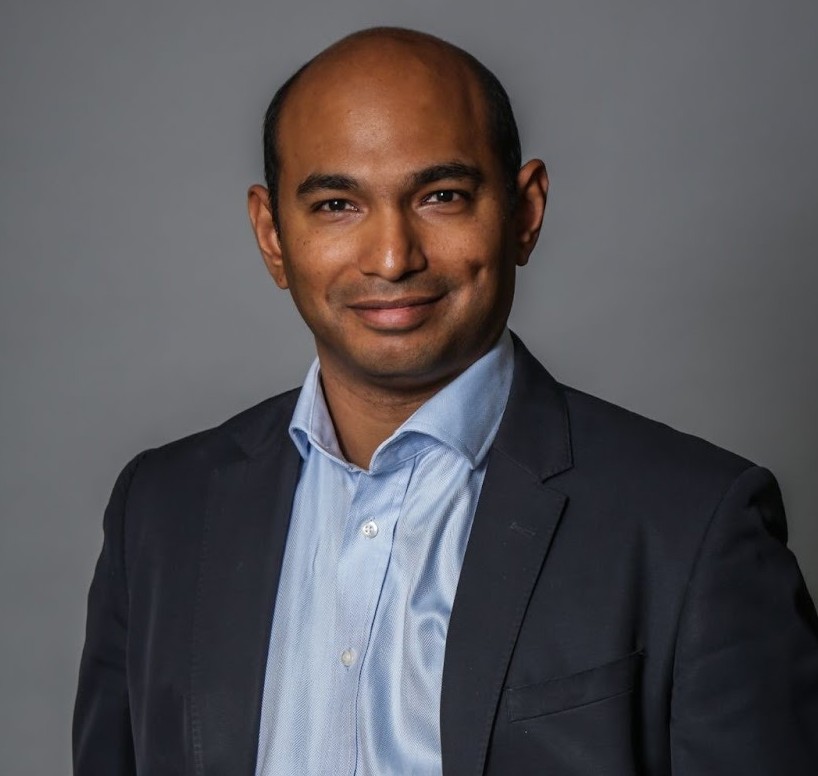






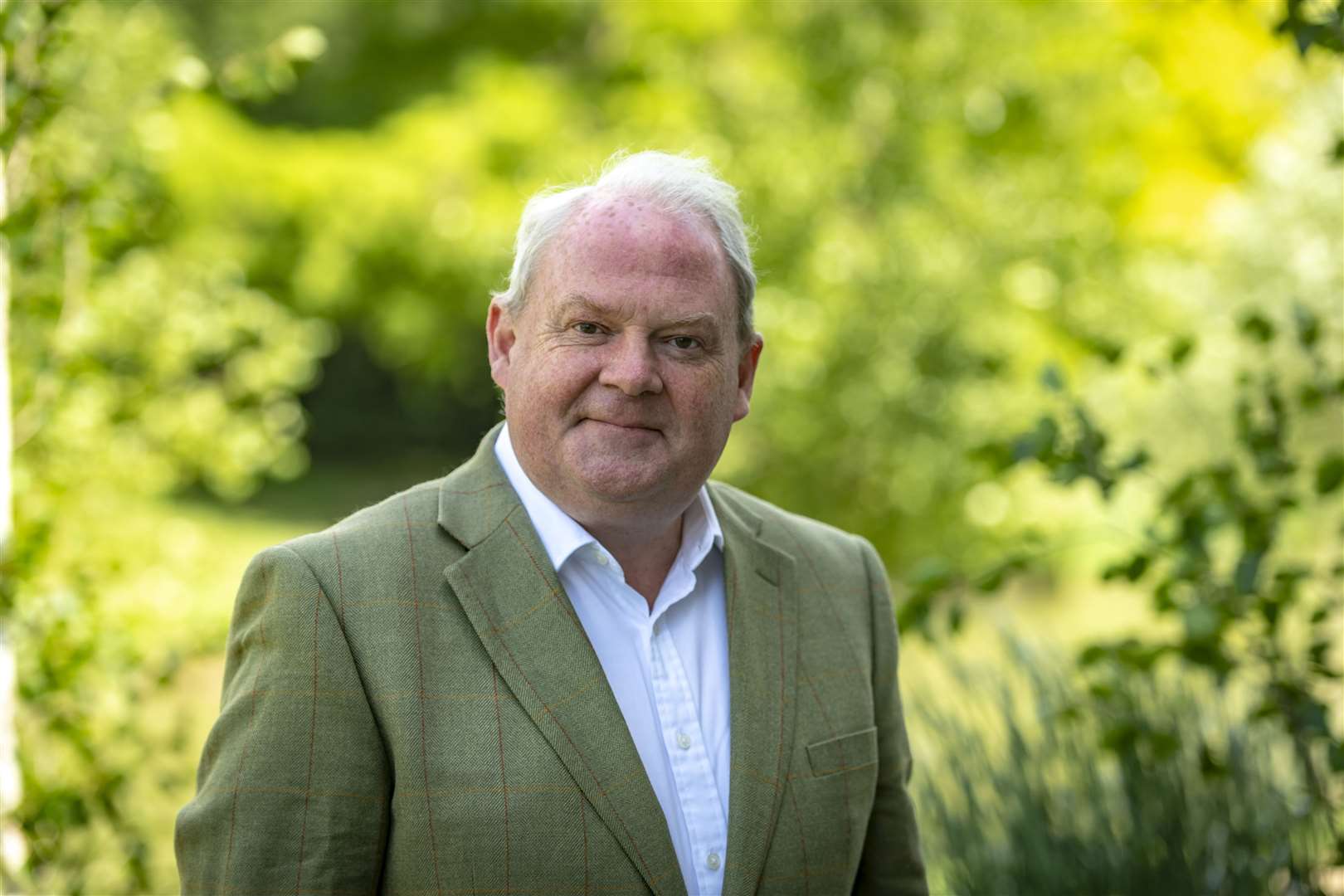

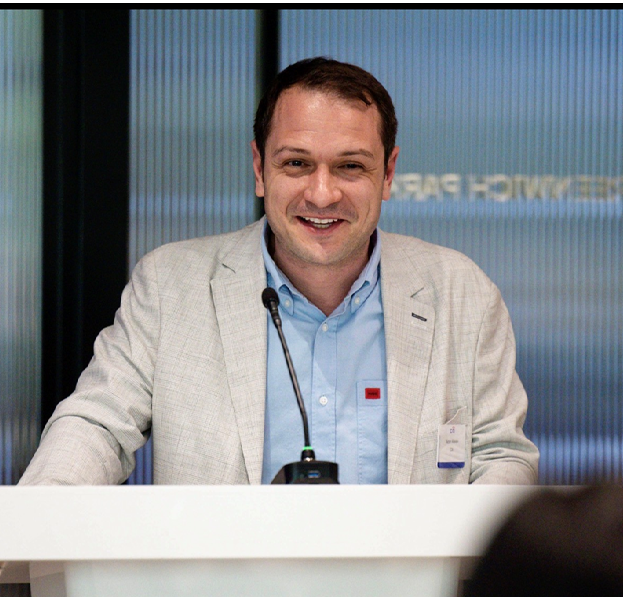









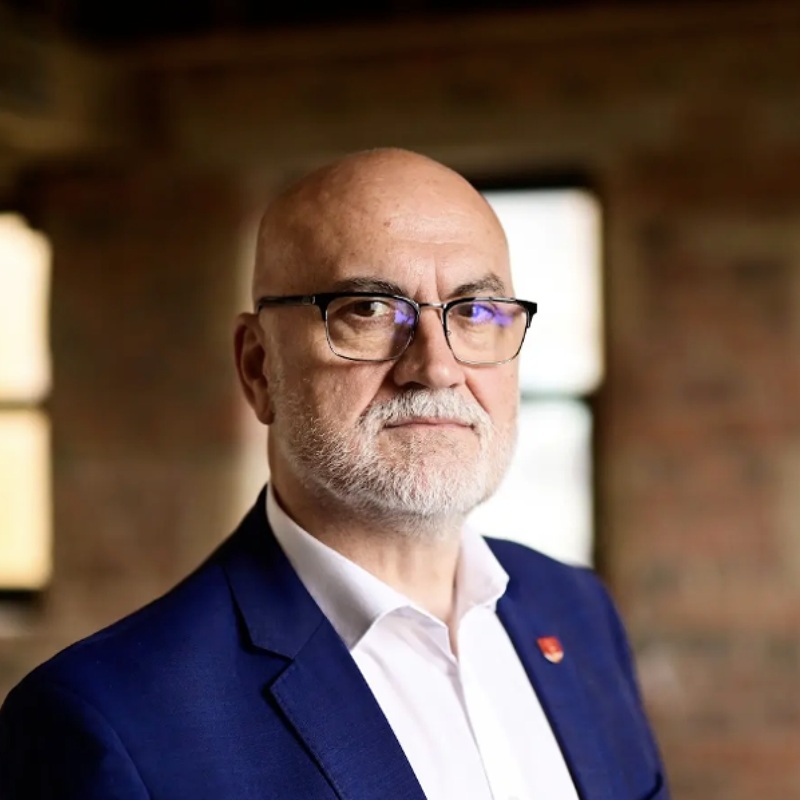






The cohort was building across compliance, financial crime, consumer outcomes, wealth, capital markets, legal workflows, regulatory reporting and agentic AI accountability.











The challenge
The Academy revealed three gaps between building an AI product and getting it adopted in financial services.
Expert-led curriculum
Eight live, expert-led masterclasses connected AI product decisions with financial services operations, regulatory context, commercial strategy and responsible adoption.
Ecosystem immersion
An opening summit at the FCA and a London finale connected the cohort with regulators, financial institutions, investors, operators and fellow founders.
Applied mentoring
Eleven specialist office-hour sessions gave founders space to examine the specific commercial, regulatory and operational barriers facing their businesses.
Go-to-market capstone
Each week added a new layer to a complete go-to-market strategy, built around the participant's live product, real buyer and immediate priorities.
The financial services operating gap
Knowing how to build AI is not the same as knowing how the industry buys it. A financial institution is not one buyer. It is business units, risk owners, compliance, legal, technology, procurement and committees, any of which can stop a good product.
The regulatory fluency gap
Knowing the rules is not the same as regulated market readiness. Fluency is reading how a regulated environment shapes incentives, evidence and decisions.
The adoption readiness gap
A strong product still has to answer who uses it, what decisions it influences, how its outputs are explained, what happens when it is wrong, and who is accountable.
Opening summit
The programme opened with a full-day Ecosystem Immersion Summit at the FCA. Founders examined how financial institutions think, how the FCA approaches responsible innovation and how fundraising, compliance, partnerships and buyer expectations shape the path to market.
London finale
The programme concluded in London during UK FinTech Week. Rather than deliver conventional pitches, selected founders presented how their thinking, positioning and market strategy had changed. The cohort then graduated and reconnected with the wider financial services ecosystem.
AI Positioning and Engagement
Define a precise customer, problem and value narrative, then communicate it in terms that matter to regulated-market stakeholders.
From Idea to Execution
Turn an AI use case into an executable design by testing assumptions, defining system boundaries and confronting data, compute and delivery constraints.
How the Financial System Really Works
Understand how banks and other regulated institutions allocate budgets, own risk, approve technology and move through procurement.
FCA Approach to Innovation
Build a clearer understanding of FCA Innovation Services, the initiatives within the FCA AI Lab and the principles that shape responsible innovation.
AI Product Building for FinTech Use Cases
Decide where AI adds value, where it does not and how human oversight, guardrails and accountability should work across real financial services workflows.
AI-Native Teams and Capability Development
Define the people, capabilities, responsibilities and operating model needed to build and scale with AI.
Money, Revenue and the New Startup Economics
Connect the proposition to pricing, early revenue, funding choices and the commercial realities of an AI business.
Building Sustainable Businesses in the AI Era
Build defensibility through data, domain expertise, workflow integration, trust and adaptability as technologies and regulations evolve.
Positioning
A defined ideal customer, primary pain point, positioning statement and priority use case
Feasibility
Assumptions, constraints, system boundaries and execution risks
Institutional adoption
A map of sponsors, risk owners, approvers and the path through procurement
Regulatory alignment
Relevant regulatory themes, likely points of scrutiny and responsible AI requirements
AI design
A rationale for where AI would and would not be used, with human oversight and accountability
Capability
The team, ownership model and capabilities required to deliver and scale
Commercial model
Pricing logic, distribution pathways, funding assumptions and the commercial narrative
Defensibility
The data, expertise, integration and trust mechanisms that could sustain advantage
Execution
A consolidated, client-ready go-to-market pack and a practical 90-day plan
A more precise problem
Founders sharpened their propositions around a specific buyer, workflow and urgent problem rather than a broad description of technical capability.
A more realistic route into institutions
Participants mapped sponsors, users, risk owners, budget holders and approval pathways, creating a clearer view of why enterprise adoption stalls and how to move it forward.
A stronger view of governance
Responsible AI became part of the proposition itself. Evidence, explainability, human oversight, monitoring and auditability were treated as conditions for trust and sources of commercial differentiation.
More controllable AI design
Participants became more deliberate about system boundaries, accountability and the point at which a person must remain in control.
CFTE
Programme partner
Dr Nashwa Saleh
Faculty
Professor Mick O'Connor
Faculty
Sergo Vashakmadze
First-cohort participant
Ankur Mehta
First-cohort participant
Chris Davies
First-cohort participant
Stacey English
Ecosystem
Philip Clements
Ecosystem
It created a constructive pathway for promising innovators who were not yet ready for deeper sandbox-style or institutional engagement.
It surfaced common gaps in institutional understanding, regulatory fluency, responsible AI design and adoption readiness.
It revealed where market activity is emerging across compliance, financial crime, governance, reporting, customer outcomes and agentic systems.
It provided evidence that innovators value structured progression, challenge, feedback and application, not information alone.
It supported a better-prepared innovation ecosystem without implying FCA approval, assurance or endorsement of any participant or product.
Financial institutions preparing teams to adopt and govern AI
Regulators building market readiness and ecosystem intelligence
Industry associations supporting capability across member firms
Innovation programmes preparing ventures for institutional adoption
Governments developing responsible AI capability at sector level
What was the FCA AI Lab Supercharged Academy?
Who was the programme designed for?
How was the Academy delivered?
What was the weekly time commitment?
What did participants create during the programme?
Did participants receive a certificate?
Was the Academy open to the public?
Did participation mean that the FCA approved a company or product?
Can the programme model be adapted for other organisations?
How can I register interest in a future cohort?
The FCA AI Lab
The FCA AI Lab set the strategic intent and regulatory framing. It connected the programme to its wider innovation ecosystem, contributed subject-matter expertise and ensured the Academy remained aligned with a technology-positive, principles-based and outcomes-focused approach.
CFTE
CFTE translated that intent into a progressive capability journey. It designed the curriculum, curated the practitioner faculty, structured the capstone, coordinated mentoring, facilitated the learning experience and synthesised evidence from polls, feedback, discussions and participant work.
The Academy
The Academy combined two in-person ecosystem summits, eight online masterclasses, targeted office hours and one applied capstone. The programme moved from context to application: understand the system, sharpen the proposition, design for trust and turn the learning into a usable market strategy.
Expert-led curriculum
Eight live, expert-led masterclasses connected AI product decisions with financial services operations, regulatory context, commercial strategy and responsible adoption.
Ecosystem immersion
An opening summit at the FCA and a London finale connected the cohort with regulators, financial institutions, investors, operators and fellow founders.
Applied mentoring
Eleven specialist office-hour sessions gave founders space to examine the specific commercial, regulatory and operational barriers facing their businesses.
Go-to-market capstone
Each week added a new layer to a complete go-to-market strategy, built around the participant's live product, real buyer and immediate priorities.
The financial services operating gap
Knowing how to build AI is not the same as knowing how the industry buys it. A financial institution is not one buyer. It is business units, risk owners, compliance, legal, technology, procurement and committees, any of which can stop a good product.
The regulatory fluency gap
Knowing the rules is not the same as regulated market readiness. Fluency is reading how a regulated environment shapes incentives, evidence and decisions.
The adoption readiness gap
A strong product still has to answer who uses it, what decisions it influences, how its outputs are explained, what happens when it is wrong, and who is accountable.
Opening summit
The programme opened with a full-day Ecosystem Immersion Summit at the FCA. Founders examined how financial institutions think, how the FCA approaches responsible innovation and how fundraising, compliance, partnerships and buyer expectations shape the path to market.

London finale
The programme concluded in London during UK FinTech Week. Rather than deliver conventional pitches, selected founders presented how their thinking, positioning and market strategy had changed. The cohort then graduated and reconnected with the wider financial services ecosystem.
.jpeg)
AI Positioning and Engagement
Define a precise customer, problem and value narrative, then communicate it in terms that matter to regulated-market stakeholders.
From Idea to Execution
Turn an AI use case into an executable design by testing assumptions, defining system boundaries and confronting data, compute and delivery constraints.
How the Financial System Really Works
Understand how banks and other regulated institutions allocate budgets, own risk, approve technology and move through procurement.
FCA Approach to Innovation
Build a clearer understanding of FCA Innovation Services, the initiatives within the FCA AI Lab and the principles that shape responsible innovation.
AI Product Building for FinTech Use Cases
Decide where AI adds value, where it does not and how human oversight, guardrails and accountability should work across real financial services workflows.
AI-Native Teams and Capability Development
Define the people, capabilities, responsibilities and operating model needed to build and scale with AI.
Money, Revenue and the New Startup Economics
Connect the proposition to pricing, early revenue, funding choices and the commercial realities of an AI business.
Building Sustainable Businesses in the AI Era
Build defensibility through data, domain expertise, workflow integration, trust and adaptability as technologies and regulations evolve.
Positioning
A defined ideal customer, primary pain point, positioning statement and priority use case
Feasibility
Assumptions, constraints, system boundaries and execution risks
Institutional adoption
A map of sponsors, risk owners, approvers and the path through procurement
Regulatory alignment
Relevant regulatory themes, likely points of scrutiny and responsible AI requirements
AI design
A rationale for where AI would and would not be used, with human oversight and accountability
Capability
The team, ownership model and capabilities required to deliver and scale
Commercial model
Pricing logic, distribution pathways, funding assumptions and the commercial narrative
Defensibility
The data, expertise, integration and trust mechanisms that could sustain advantage
Execution
A consolidated, client-ready go-to-market pack and a practical 90-day plan
A more precise problem
Founders sharpened their propositions around a specific buyer, workflow and urgent problem rather than a broad description of technical capability.
A more realistic route into institutions
Participants mapped sponsors, users, risk owners, budget holders and approval pathways, creating a clearer view of why enterprise adoption stalls and how to move it forward.
A stronger view of governance
Responsible AI became part of the proposition itself. Evidence, explainability, human oversight, monitoring and auditability were treated as conditions for trust and sources of commercial differentiation.
More controllable AI design
Participants became more deliberate about system boundaries, accountability and the point at which a person must remain in control.
CFTE
Programme partner
Dr Nashwa Saleh
Faculty
Professor Mick O'Connor
Faculty
Sergo Vashakmadze
First-cohort participant
Ankur Mehta
First-cohort participant
Chris Davies
First-cohort participant
Stacey English
Ecosystem
Philip Clements
Ecosystem
It created a constructive pathway for promising innovators who were not yet ready for deeper sandbox-style or institutional engagement.
It surfaced common gaps in institutional understanding, regulatory fluency, responsible AI design and adoption readiness.
It revealed where market activity is emerging across compliance, financial crime, governance, reporting, customer outcomes and agentic systems.
It provided evidence that innovators value structured progression, challenge, feedback and application, not information alone.
It supported a better-prepared innovation ecosystem without implying FCA approval, assurance or endorsement of any participant or product.
Financial institutions preparing teams to adopt and govern AI
Regulators building market readiness and ecosystem intelligence
Industry associations supporting capability across member firms
Innovation programmes preparing ventures for institutional adoption
Governments developing responsible AI capability at sector level
What was the FCA AI Lab Supercharged Academy?
Who was the programme designed for?
How was the Academy delivered?
What was the weekly time commitment?
What did participants create during the programme?
Did participants receive a certificate?
Was the Academy open to the public?
Did participation mean that the FCA approved a company or product?
Can the programme model be adapted for other organisations?
How can I register interest in a future cohort?
The FCA AI Lab
The FCA AI Lab set the strategic intent and regulatory framing. It connected the programme to its wider innovation ecosystem, contributed subject-matter expertise and ensured the Academy remained aligned with a technology-positive, principles-based and outcomes-focused approach.
CFTE
CFTE translated that intent into a progressive capability journey. It designed the curriculum, curated the practitioner faculty, structured the capstone, coordinated mentoring, facilitated the learning experience and synthesised evidence from polls, feedback, discussions and participant work.
Build the capability
Expert-led curriculum
Eight live, expert-led masterclasses connected AI product decisions with financial services operations, regulatory context, commercial strategy and responsible adoption.
Ecosystem immersion
An opening summit at the FCA and a London finale connected the cohort with regulators, financial institutions, investors, operators and fellow founders.
Applied mentoring
Eleven specialist office-hour sessions gave founders space to examine the specific commercial, regulatory and operational barriers facing their businesses.
Go-to-market capstone
Each week added a new layer to a complete go-to-market strategy, built around the participant's live product, real buyer and immediate priorities.
The financial services operating gap
Knowing how to build AI is not the same as knowing how the industry buys it. A financial institution is not one buyer. It is business units, risk owners, compliance, legal, technology, procurement and committees, any of which can stop a good product.
The regulatory fluency gap
Knowing the rules is not the same as regulated market readiness. Fluency is reading how a regulated environment shapes incentives, evidence and decisions.
The adoption readiness gap
A strong product still has to answer who uses it, what decisions it influences, how its outputs are explained, what happens when it is wrong, and who is accountable.
Opening summit
The programme opened with a full-day Ecosystem Immersion Summit at the FCA. Founders examined how financial institutions think, how the FCA approaches responsible innovation and how fundraising, compliance, partnerships and buyer expectations shape the path to market.
London finale
The programme concluded in London during UK FinTech Week. Rather than deliver conventional pitches, selected founders presented how their thinking, positioning and market strategy had changed. The cohort then graduated and reconnected with the wider financial services ecosystem.
AI Positioning and Engagement
Define a precise customer, problem and value narrative, then communicate it in terms that matter to regulated-market stakeholders.
From Idea to Execution
Turn an AI use case into an executable design by testing assumptions, defining system boundaries and confronting data, compute and delivery constraints.
How the Financial System Really Works
Understand how banks and other regulated institutions allocate budgets, own risk, approve technology and move through procurement.
FCA Approach to Innovation
Build a clearer understanding of FCA Innovation Services, the initiatives within the FCA AI Lab and the principles that shape responsible innovation.
AI Product Building for FinTech Use Cases
Decide where AI adds value, where it does not and how human oversight, guardrails and accountability should work across real financial services workflows.
AI-Native Teams and Capability Development
Define the people, capabilities, responsibilities and operating model needed to build and scale with AI.
Money, Revenue and the New Startup Economics
Connect the proposition to pricing, early revenue, funding choices and the commercial realities of an AI business.
Building Sustainable Businesses in the AI Era
Build defensibility through data, domain expertise, workflow integration, trust and adaptability as technologies and regulations evolve.
Positioning
A defined ideal customer, primary pain point, positioning statement and priority use case
Feasibility
Assumptions, constraints, system boundaries and execution risks
Institutional adoption
A map of sponsors, risk owners, approvers and the path through procurement
Regulatory alignment
Relevant regulatory themes, likely points of scrutiny and responsible AI requirements
AI design
A rationale for where AI would and would not be used, with human oversight and accountability
Capability
The team, ownership model and capabilities required to deliver and scale
Commercial model
Pricing logic, distribution pathways, funding assumptions and the commercial narrative
Defensibility
The data, expertise, integration and trust mechanisms that could sustain advantage
Execution
A consolidated, client-ready go-to-market pack and a practical 90-day plan
A more precise problem
Founders sharpened their propositions around a specific buyer, workflow and urgent problem rather than a broad description of technical capability.
A more realistic route into institutions
Participants mapped sponsors, users, risk owners, budget holders and approval pathways, creating a clearer view of why enterprise adoption stalls and how to move it forward.
A stronger view of governance
Responsible AI became part of the proposition itself. Evidence, explainability, human oversight, monitoring and auditability were treated as conditions for trust and sources of commercial differentiation.
More controllable AI design
Participants became more deliberate about system boundaries, accountability and the point at which a person must remain in control.
CFTE
Programme partner
Dr Nashwa Saleh
Faculty
Professor Mick O'Connor
Faculty
Sergo Vashakmadze
First-cohort participant
Ankur Mehta
First-cohort participant
Chris Davies
First-cohort participant
Stacey English
Ecosystem
Philip Clements
Ecosystem
It created a constructive pathway for promising innovators who were not yet ready for deeper sandbox-style or institutional engagement.
It surfaced common gaps in institutional understanding, regulatory fluency, responsible AI design and adoption readiness.
It revealed where market activity is emerging across compliance, financial crime, governance, reporting, customer outcomes and agentic systems.
It provided evidence that innovators value structured progression, challenge, feedback and application, not information alone.
It supported a better-prepared innovation ecosystem without implying FCA approval, assurance or endorsement of any participant or product.
Financial institutions preparing teams to adopt and govern AI
Regulators building market readiness and ecosystem intelligence
Industry associations supporting capability across member firms
Innovation programmes preparing ventures for institutional adoption
Governments developing responsible AI capability at sector level
What was the FCA AI Lab Supercharged Academy?
Who was the programme designed for?
How was the Academy delivered?
What was the weekly time commitment?
What did participants create during the programme?
Did participants receive a certificate?
Was the Academy open to the public?
Did participation mean that the FCA approved a company or product?
Can the programme model be adapted for other organisations?
How can I register interest in a future cohort?
The FCA AI Lab
The FCA AI Lab set the strategic intent and regulatory framing. It connected the programme to its wider innovation ecosystem, contributed subject-matter expertise and ensured the Academy remained aligned with a technology-positive, principles-based and outcomes-focused approach.
CFTE
CFTE translated that intent into a progressive capability journey. It designed the curriculum, curated the practitioner faculty, structured the capstone, coordinated mentoring, facilitated the learning experience and synthesised evidence from polls, feedback, discussions and participant work.
The learning journey
The capstone was the backbone of the Academy, not an academic exercise added at the end. Participants applied each session directly to the company they were building and the institutions they wanted to serve.
Outcomes
The clearest outcome was a change in how participants framed their businesses. The conversation moved beyond what the technology could do to the questions that determine whether a regulated institution can adopt it.
Expert-led curriculum
Eight live, expert-led masterclasses connected AI product decisions with financial services operations, regulatory context, commercial strategy and responsible adoption.
Ecosystem immersion
An opening summit at the FCA and a London finale connected the cohort with regulators, financial institutions, investors, operators and fellow founders.
Applied mentoring
Eleven specialist office-hour sessions gave founders space to examine the specific commercial, regulatory and operational barriers facing their businesses.
Go-to-market capstone
Each week added a new layer to a complete go-to-market strategy, built around the participant's live product, real buyer and immediate priorities.
The financial services operating gap
Knowing how to build AI is not the same as knowing how the industry buys it. A financial institution is not one buyer. It is business units, risk owners, compliance, legal, technology, procurement and committees, any of which can stop a good product.
The regulatory fluency gap
Knowing the rules is not the same as regulated market readiness. Fluency is reading how a regulated environment shapes incentives, evidence and decisions.
The adoption readiness gap
A strong product still has to answer who uses it, what decisions it influences, how its outputs are explained, what happens when it is wrong, and who is accountable.
Opening summit
The programme opened with a full-day Ecosystem Immersion Summit at the FCA. Founders examined how financial institutions think, how the FCA approaches responsible innovation and how fundraising, compliance, partnerships and buyer expectations shape the path to market.
London finale
The programme concluded in London during UK FinTech Week. Rather than deliver conventional pitches, selected founders presented how their thinking, positioning and market strategy had changed. The cohort then graduated and reconnected with the wider financial services ecosystem.
AI Positioning and Engagement
Define a precise customer, problem and value narrative, then communicate it in terms that matter to regulated-market stakeholders.
From Idea to Execution
Turn an AI use case into an executable design by testing assumptions, defining system boundaries and confronting data, compute and delivery constraints.
How the Financial System Really Works
Understand how banks and other regulated institutions allocate budgets, own risk, approve technology and move through procurement.
FCA Approach to Innovation
Build a clearer understanding of FCA Innovation Services, the initiatives within the FCA AI Lab and the principles that shape responsible innovation.
AI Product Building for FinTech Use Cases
Decide where AI adds value, where it does not and how human oversight, guardrails and accountability should work across real financial services workflows.
AI-Native Teams and Capability Development
Define the people, capabilities, responsibilities and operating model needed to build and scale with AI.
Money, Revenue and the New Startup Economics
Connect the proposition to pricing, early revenue, funding choices and the commercial realities of an AI business.
Building Sustainable Businesses in the AI Era
Build defensibility through data, domain expertise, workflow integration, trust and adaptability as technologies and regulations evolve.
Positioning
A defined ideal customer, primary pain point, positioning statement and priority use case
Feasibility
Assumptions, constraints, system boundaries and execution risks
Institutional adoption
A map of sponsors, risk owners, approvers and the path through procurement
Regulatory alignment
Relevant regulatory themes, likely points of scrutiny and responsible AI requirements
AI design
A rationale for where AI would and would not be used, with human oversight and accountability
Capability
The team, ownership model and capabilities required to deliver and scale
Commercial model
Pricing logic, distribution pathways, funding assumptions and the commercial narrative
Defensibility
The data, expertise, integration and trust mechanisms that could sustain advantage
Execution
A consolidated, client-ready go-to-market pack and a practical 90-day plan
A more precise problem
Founders sharpened their propositions around a specific buyer, workflow and urgent problem rather than a broad description of technical capability.
"The academy forced us to stop describing our technology and start owning a problem. That shift, from product pitch to problem narrative, is the most valuable thing we took away."
Dr Danica Damljanovic
Founder and CTO, Sentient Machines
A more realistic route into institutions
Participants mapped sponsors, users, risk owners, budget holders and approval pathways, creating a clearer view of why enterprise adoption stalls and how to move it forward.
"It was eye opening. I realised how not ready I am. I would rather learn it now than when talking to large institutions."
Sergo Vashakmadze
IoMarkets
A stronger view of governance
Responsible AI became part of the proposition itself. Evidence, explainability, human oversight, monitoring and auditability were treated as conditions for trust and sources of commercial differentiation.
"Governance is not the wrapper. Governance is the product. In regulated financial services, nobody buys what the AI does. They buy what they can defend when the regulator asks."
Carlos Valderrama
Founder, Legal Paradox
More controllable AI design
Participants became more deliberate about system boundaries, accountability and the point at which a person must remain in control.
"I came in trying to make rules more usable by AI. I am leaving focused on making AI action more controllable by humans."
Bashir Khairy
Founder, Atlas Intelligence
CFTE
Programme partner
Dr Nashwa Saleh
Faculty
Professor Mick O'Connor
Faculty
Sergo Vashakmadze
First-cohort participant
Ankur Mehta
First-cohort participant
Chris Davies
First-cohort participant
Stacey English
Ecosystem
Philip Clements
Ecosystem
It created a constructive pathway for promising innovators who were not yet ready for deeper sandbox-style or institutional engagement.
It surfaced common gaps in institutional understanding, regulatory fluency, responsible AI design and adoption readiness.
It revealed where market activity is emerging across compliance, financial crime, governance, reporting, customer outcomes and agentic systems.
It provided evidence that innovators value structured progression, challenge, feedback and application, not information alone.
It supported a better-prepared innovation ecosystem without implying FCA approval, assurance or endorsement of any participant or product.
Financial institutions preparing teams to adopt and govern AI
Regulators building market readiness and ecosystem intelligence
Industry associations supporting capability across member firms
Innovation programmes preparing ventures for institutional adoption
Governments developing responsible AI capability at sector level
What was the FCA AI Lab Supercharged Academy?
The Academy was a ten-week capability programme created by the FCA AI Lab and CFTE. It helped promising AI and FinTech innovators strengthen their understanding of financial institutions, regulatory expectations, responsible AI and the practical requirements for adoption in a regulated market.
Who was the programme designed for?
It was designed for founders, entrepreneurs and senior operators developing AI and FinTech solutions for financial services. Participants came from different stages of development, from firms validating feasibility to businesses already serving paying customers.
How was the Academy delivered?
The programme used a hybrid format. It opened with an in-person Ecosystem Immersion Summit at the FCA, continued through eight live online masterclasses with mentoring and office hours, and concluded with an in-person London finale during UK FinTech Week.
What was the weekly time commitment?
Participants were expected to commit approximately four hours each week: two hours for the live session and around two hours to apply the learning to their capstone.
What did participants create during the programme?
Participants developed a complete go-to-market strategy for their own business. Built progressively across the ten weeks, it covered positioning, institutional buyer mapping, regulatory alignment, AI design choices, team capabilities, commercial logic, defensibility and a practical 90-day execution plan.
Did participants receive a certificate?
Yes. Participants who attended at least eight of the ten sessions, equivalent to an 80% attendance rate, received a CFTE certificate of completion. Certification was based on participation and attendance rather than the quality of the capstone.
Was the Academy open to the public?
The first cohort was free to attend for selected participants and was invitation only, based on prior engagement with the FCA AI Lab. Information about any future cohort or participation route will be shared separately once confirmed.
Did participation mean that the FCA approved a company or product?
No. The Academy did not provide regulatory approval, endorsement or assurance of any participant, company, product or capstone. It provided information about the FCA's innovation services and AI-related activities already available in the public domain.
Can the programme model be adapted for other organisations?
Yes. CFTE can adapt the capability model for financial institutions, regulators, central banks, governments, industry associations and innovation programmes. The structure can be tailored to the organisation's audience, operating environment, capability gaps and intended outcomes.
How can I register interest in a future cohort?
Use the registration-of-interest form on this page to receive information if a future cohort or relevant participation opportunity is confirmed.
The FCA AI Lab
The FCA AI Lab set the strategic intent and regulatory framing. It connected the programme to its wider innovation ecosystem, contributed subject-matter expertise and ensured the Academy remained aligned with a technology-positive, principles-based and outcomes-focused approach.
CFTE
CFTE translated that intent into a progressive capability journey. It designed the curriculum, curated the practitioner faculty, structured the capstone, coordinated mentoring, facilitated the learning experience and synthesised evidence from polls, feedback, discussions and participant work.
From the ecosystem
Participants, co-founders, faculty and industry voices shared what the Academy meant to them. Posts and reflections published in their own words, screened so none implies FCA endorsement of an individual firm.
Impact beyond the cohort
The Academy supported the founders in the room while giving the FCA AI Lab a structured view of the wider innovation market.
The partnership
Expert-led curriculum
Eight live, expert-led masterclasses connected AI product decisions with financial services operations, regulatory context, commercial strategy and responsible adoption.
Ecosystem immersion
An opening summit at the FCA and a London finale connected the cohort with regulators, financial institutions, investors, operators and fellow founders.
Applied mentoring
Eleven specialist office-hour sessions gave founders space to examine the specific commercial, regulatory and operational barriers facing their businesses.
Go-to-market capstone
Each week added a new layer to a complete go-to-market strategy, built around the participant's live product, real buyer and immediate priorities.
The financial services operating gap
Knowing how to build AI is not the same as knowing how the industry buys it. A financial institution is not one buyer. It is business units, risk owners, compliance, legal, technology, procurement and committees, any of which can stop a good product.
The regulatory fluency gap
Knowing the rules is not the same as regulated market readiness. Fluency is reading how a regulated environment shapes incentives, evidence and decisions.
The adoption readiness gap
A strong product still has to answer who uses it, what decisions it influences, how its outputs are explained, what happens when it is wrong, and who is accountable.
Opening summit
The programme opened with a full-day Ecosystem Immersion Summit at the FCA. Founders examined how financial institutions think, how the FCA approaches responsible innovation and how fundraising, compliance, partnerships and buyer expectations shape the path to market.
London finale
The programme concluded in London during UK FinTech Week. Rather than deliver conventional pitches, selected founders presented how their thinking, positioning and market strategy had changed. The cohort then graduated and reconnected with the wider financial services ecosystem.
AI Positioning and Engagement
Define a precise customer, problem and value narrative, then communicate it in terms that matter to regulated-market stakeholders.
From Idea to Execution
Turn an AI use case into an executable design by testing assumptions, defining system boundaries and confronting data, compute and delivery constraints.
How the Financial System Really Works
Understand how banks and other regulated institutions allocate budgets, own risk, approve technology and move through procurement.
FCA Approach to Innovation
Build a clearer understanding of FCA Innovation Services, the initiatives within the FCA AI Lab and the principles that shape responsible innovation.
AI Product Building for FinTech Use Cases
Decide where AI adds value, where it does not and how human oversight, guardrails and accountability should work across real financial services workflows.
AI-Native Teams and Capability Development
Define the people, capabilities, responsibilities and operating model needed to build and scale with AI.
Money, Revenue and the New Startup Economics
Connect the proposition to pricing, early revenue, funding choices and the commercial realities of an AI business.
Building Sustainable Businesses in the AI Era
Build defensibility through data, domain expertise, workflow integration, trust and adaptability as technologies and regulations evolve.
Positioning
A defined ideal customer, primary pain point, positioning statement and priority use case
Feasibility
Assumptions, constraints, system boundaries and execution risks
Institutional adoption
A map of sponsors, risk owners, approvers and the path through procurement
Regulatory alignment
Relevant regulatory themes, likely points of scrutiny and responsible AI requirements
AI design
A rationale for where AI would and would not be used, with human oversight and accountability
Capability
The team, ownership model and capabilities required to deliver and scale
Commercial model
Pricing logic, distribution pathways, funding assumptions and the commercial narrative
Defensibility
The data, expertise, integration and trust mechanisms that could sustain advantage
Execution
A consolidated, client-ready go-to-market pack and a practical 90-day plan
A more precise problem
Founders sharpened their propositions around a specific buyer, workflow and urgent problem rather than a broad description of technical capability.
A more realistic route into institutions
Participants mapped sponsors, users, risk owners, budget holders and approval pathways, creating a clearer view of why enterprise adoption stalls and how to move it forward.
A stronger view of governance
Responsible AI became part of the proposition itself. Evidence, explainability, human oversight, monitoring and auditability were treated as conditions for trust and sources of commercial differentiation.
More controllable AI design
Participants became more deliberate about system boundaries, accountability and the point at which a person must remain in control.
CFTE
Programme partner
Dr Nashwa Saleh
Faculty
Professor Mick O'Connor
Faculty
Sergo Vashakmadze
First-cohort participant
Ankur Mehta
First-cohort participant
Chris Davies
First-cohort participant
Stacey English
Ecosystem
Philip Clements
Ecosystem
It created a constructive pathway for promising innovators who were not yet ready for deeper sandbox-style or institutional engagement.
It surfaced common gaps in institutional understanding, regulatory fluency, responsible AI design and adoption readiness.
It revealed where market activity is emerging across compliance, financial crime, governance, reporting, customer outcomes and agentic systems.
It provided evidence that innovators value structured progression, challenge, feedback and application, not information alone.
It supported a better-prepared innovation ecosystem without implying FCA approval, assurance or endorsement of any participant or product.
Financial institutions preparing teams to adopt and govern AI
Regulators building market readiness and ecosystem intelligence
Industry associations supporting capability across member firms
Innovation programmes preparing ventures for institutional adoption
Governments developing responsible AI capability at sector level
What was the FCA AI Lab Supercharged Academy?
Who was the programme designed for?
How was the Academy delivered?
What was the weekly time commitment?
What did participants create during the programme?
Did participants receive a certificate?
Was the Academy open to the public?
Did participation mean that the FCA approved a company or product?
Can the programme model be adapted for other organisations?
How can I register interest in a future cohort?
The FCA AI Lab
The FCA AI Lab set the strategic intent and regulatory framing. It connected the programme to its wider innovation ecosystem, contributed subject-matter expertise and ensured the Academy remained aligned with a technology-positive, principles-based and outcomes-focused approach.
CFTE
CFTE translated that intent into a progressive capability journey. It designed the curriculum, curated the practitioner faculty, structured the capstone, coordinated mentoring, facilitated the learning experience and synthesised evidence from polls, feedback, discussions and participant work.
"The AI Lab Supercharged Academy reflects a shared commitment between the FCA and CFTE to build the talent, governance, and learning systems that trustworthy AI requires."
Tram Anh Nguyen, Co-Founder, CFTE
Turn AI ambition into responsible adoption
The Supercharged Academy shows what a capability programme can do when it is built around the real operating environment. CFTE works with financial institutions, regulators, central banks, governments and industry bodies to diagnose capability gaps, design applied learning journeys and turn insight into action.
Expert-led curriculum
Ecosystem immersion
Applied mentoring
Go-to-market capstone
The financial services operating gap
The regulatory fluency gap
The adoption readiness gap
Opening summit
London finale
AI Positioning and Engagement
From Idea to Execution
How the Financial System Really Works
FCA Approach to Innovation
AI Product Building for FinTech Use Cases
AI-Native Teams and Capability Development
Money, Revenue and the New Startup Economics
Building Sustainable Businesses in the AI Era
Positioning
Feasibility
Institutional adoption
Regulatory alignment
AI design
Capability
Commercial model
Defensibility
Execution
A more precise problem
A more realistic route into institutions
A stronger view of governance
More controllable AI design
CFTE
Dr Nashwa Saleh
Professor Mick O'Connor
Sergo Vashakmadze
Ankur Mehta
Chris Davies
Stacey English
Philip Clements
It created a constructive pathway for promising innovators who were not yet ready for deeper sandbox-style or institutional engagement.
It surfaced common gaps in institutional understanding, regulatory fluency, responsible AI design and adoption readiness.
It revealed where market activity is emerging across compliance, financial crime, governance, reporting, customer outcomes and agentic systems.
It provided evidence that innovators value structured progression, challenge, feedback and application, not information alone.
It supported a better-prepared innovation ecosystem without implying FCA approval, assurance or endorsement of any participant or product.
Financial institutions preparing teams to adopt and govern AI
Regulators building market readiness and ecosystem intelligence
Industry associations supporting capability across member firms
Innovation programmes preparing ventures for institutional adoption
Governments developing responsible AI capability at sector level
What was the FCA AI Lab Supercharged Academy?
Who was the programme designed for?
How was the Academy delivered?
What was the weekly time commitment?
What did participants create during the programme?
Did participants receive a certificate?
Was the Academy open to the public?
Did participation mean that the FCA approved a company or product?
Can the programme model be adapted for other organisations?
How can I register interest in a future cohort?
The FCA AI Lab
CFTE
Frequently asked questions
Expert-led curriculum
Ecosystem immersion
Applied mentoring
Go-to-market capstone
The financial services operating gap
The regulatory fluency gap
The adoption readiness gap
Opening summit
London finale
AI Positioning and Engagement
From Idea to Execution
How the Financial System Really Works
FCA Approach to Innovation
AI Product Building for FinTech Use Cases
AI-Native Teams and Capability Development
Money, Revenue and the New Startup Economics
Building Sustainable Businesses in the AI Era
Positioning
Feasibility
Institutional adoption
Regulatory alignment
AI design
Capability
Commercial model
Defensibility
Execution
A more precise problem
"The academy forced us to stop describing our technology and start owning a problem. That shift, from product pitch to problem narrative, is the most valuable thing we took away."
Dr Danica Damljanovic
Founder and CTO, Sentient Machines
A more realistic route into institutions
"It was eye opening. I realised how not ready I am. I would rather learn it now than when talking to large institutions."
Sergo Vashakmadze
IoMarkets
A stronger view of governance
"Governance is not the wrapper. Governance is the product. In regulated financial services, nobody buys what the AI does. They buy what they can defend when the regulator asks."
Carlos Valderrama
Founder, Legal Paradox
More controllable AI design
"I came in trying to make rules more usable by AI. I am leaving focused on making AI action more controllable by humans."
Bashir Khairy
Founder, Atlas Intelligence
CFTE
Dr Nashwa Saleh
Professor Mick O'Connor
Sergo Vashakmadze
Ankur Mehta
Chris Davies
Stacey English
Philip Clements
It created a constructive pathway for promising innovators who were not yet ready for deeper sandbox-style or institutional engagement.
It surfaced common gaps in institutional understanding, regulatory fluency, responsible AI design and adoption readiness.
It revealed where market activity is emerging across compliance, financial crime, governance, reporting, customer outcomes and agentic systems.
It provided evidence that innovators value structured progression, challenge, feedback and application, not information alone.
It supported a better-prepared innovation ecosystem without implying FCA approval, assurance or endorsement of any participant or product.
Financial institutions preparing teams to adopt and govern AI
Regulators building market readiness and ecosystem intelligence
Industry associations supporting capability across member firms
Innovation programmes preparing ventures for institutional adoption
Governments developing responsible AI capability at sector level
What was the FCA AI Lab Supercharged Academy?
The Academy was a ten-week capability programme created by the FCA AI Lab and CFTE. It helped promising AI and FinTech innovators strengthen their understanding of financial institutions, regulatory expectations, responsible AI and the practical requirements for adoption in a regulated market.
Who was the programme designed for?
It was designed for founders, entrepreneurs and senior operators developing AI and FinTech solutions for financial services. Participants came from different stages of development, from firms validating feasibility to businesses already serving paying customers.
How was the Academy delivered?
The programme used a hybrid format. It opened with an in-person Ecosystem Immersion Summit at the FCA, continued through eight live online masterclasses with mentoring and office hours, and concluded with an in-person London finale during UK FinTech Week.
What was the weekly time commitment?
Participants were expected to commit approximately four hours each week: two hours for the live session and around two hours to apply the learning to their capstone.
What did participants create during the programme?
Participants developed a complete go-to-market strategy for their own business. Built progressively across the ten weeks, it covered positioning, institutional buyer mapping, regulatory alignment, AI design choices, team capabilities, commercial logic, defensibility and a practical 90-day execution plan.
Did participants receive a certificate?
Yes. Participants who attended at least eight of the ten sessions, equivalent to an 80% attendance rate, received a CFTE certificate of completion. Certification was based on participation and attendance rather than the quality of the capstone.
Was the Academy open to the public?
The first cohort was free to attend for selected participants and was invitation only, based on prior engagement with the FCA AI Lab. Information about any future cohort or participation route will be shared separately once confirmed.
Did participation mean that the FCA approved a company or product?
No. The Academy did not provide regulatory approval, endorsement or assurance of any participant, company, product or capstone. It provided information about the FCA's innovation services and AI-related activities already available in the public domain.
Can the programme model be adapted for other organisations?
Yes. CFTE can adapt the capability model for financial institutions, regulators, central banks, governments, industry associations and innovation programmes. The structure can be tailored to the organisation's audience, operating environment, capability gaps and intended outcomes.
How can I register interest in a future cohort?
Use the registration-of-interest form on this page to receive information if a future cohort or relevant participation opportunity is confirmed.
The FCA AI Lab
CFTE
Build the capability that responsible AI adoption requires
Tell us where AI adoption is stalling in your organisation or ecosystem. CFTE can help identify the capability gaps and design a programme around the decisions, workflows and outcomes that matter.