Where AI agents can create value, what makes them bankable, and how institutions can prepare.



AI in banking is moving from copilots that assist people with individual tasks towards AI agents that can take action, coordinate multiple steps and interact with tools and systems. Although adoption remains at an early stage, financial institutions are beginning to explore where these capabilities can create practical value across banking workflows.
This closed-door roundtable brought together banking leaders and regulators from Singapore and the UK to share current use cases, emerging ideas and lessons from experimentation. The discussion focused on what is working, what remains difficult and what distinguishes credible deployment from experimentation.
Regulators and financial institutions face a shared question: how can agentic AI be made bankable? Participants considered the controls, governance and human oversight required, how international regulation may need to evolve, and the talent and organisational capabilities institutions will need for an agentic future.
The roundtable combined practical banking experience with UK and Singapore regulatory perspectives, while exploring which capabilities banks must build internally and where trusted external partners can accelerate responsible adoption including through technology, implementation, governance and talent development.
The question is no longer only whether an AI agent can work, but where it can operate safely, under what controls, and with which trusted partners.

A practical senior-level discussion on what it would take to deploy agentic AI responsibly in banking. The session was designed to move beyond general discussion of agentic AI and develop a more concrete view of where agents could realistically be used, what would make those deployments acceptable in a regulated environment, and what capabilities institutions need to build.
Confidence and proficiency with AI tools are increasing, but access and usage do not by themselves demonstrate repeatable business value. The stronger test is whether AI changes a real workflow and improves outcomes that can be measured, governed and sustained.
Broad claims about “using AI” gave way to workflow-level questions: what an agent would actually do, which steps it performs, which systems it interacts with, where the human sits and what measurable value the change should create.
Once AI can coordinate steps, use tools or initiate actions, mistakes can become operational events rather than simply poor outputs. Permissions, accountability, testing, auditability, monitoring, escalation and resilience become materially more important.
Failed approaches were discussed alongside promising use cases, underlining the value of narrowing the workflow, defining human responsibility early and treating failed assumptions as evidence for better design.
The emphasis was not on maximising autonomy, but on reusable approaches for deciding how much autonomy is appropriate, what controls apply, what evidence is required and when humans must remain decisive.
Responsible deployment depends on domain ownership, AI and data capability, governance judgement, workflow redesign, clear decision rights and people who can challenge and supervise increasingly capable systems.
His Majesty's Trade Commissioner's Residence, Singapore
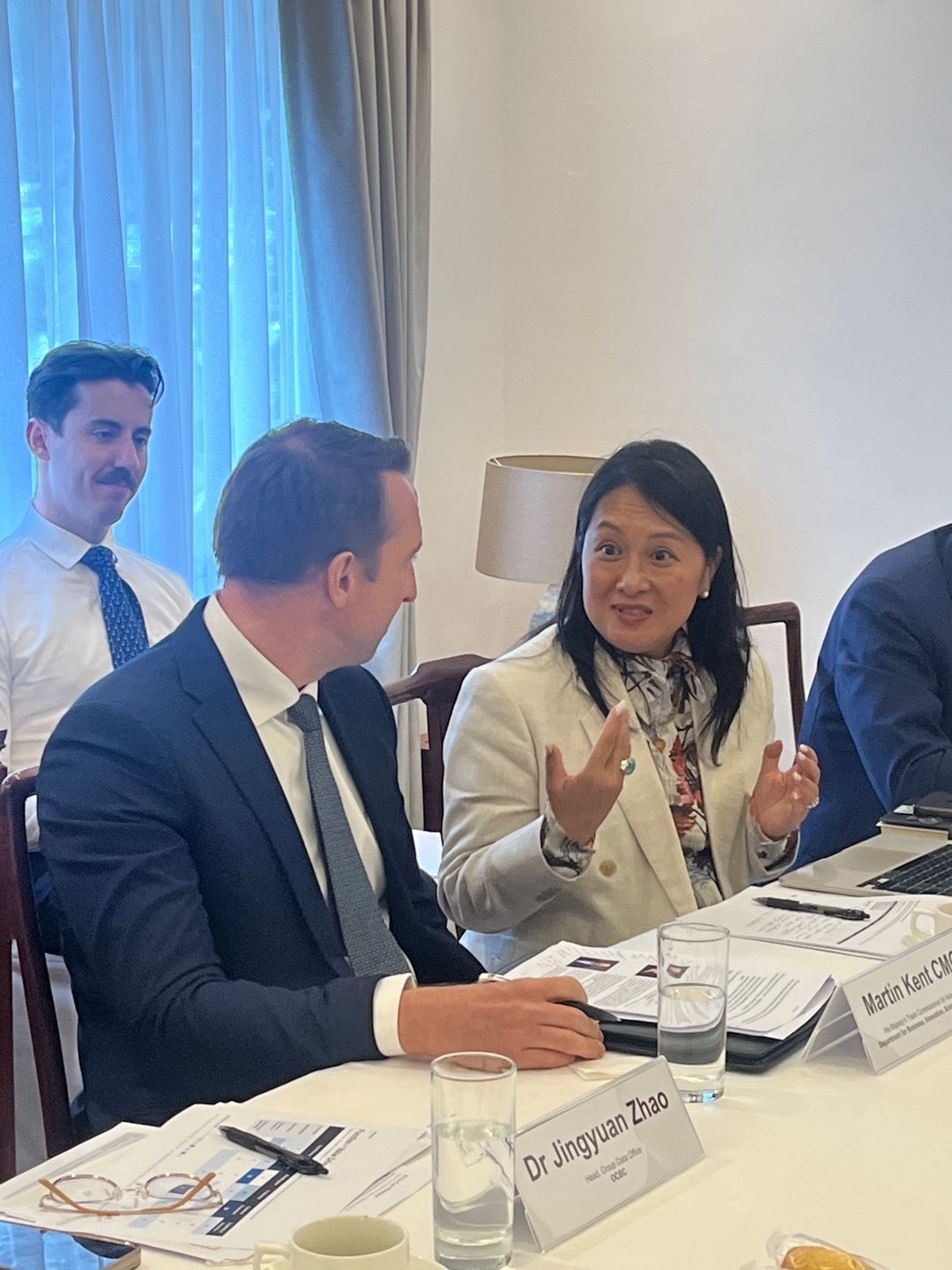
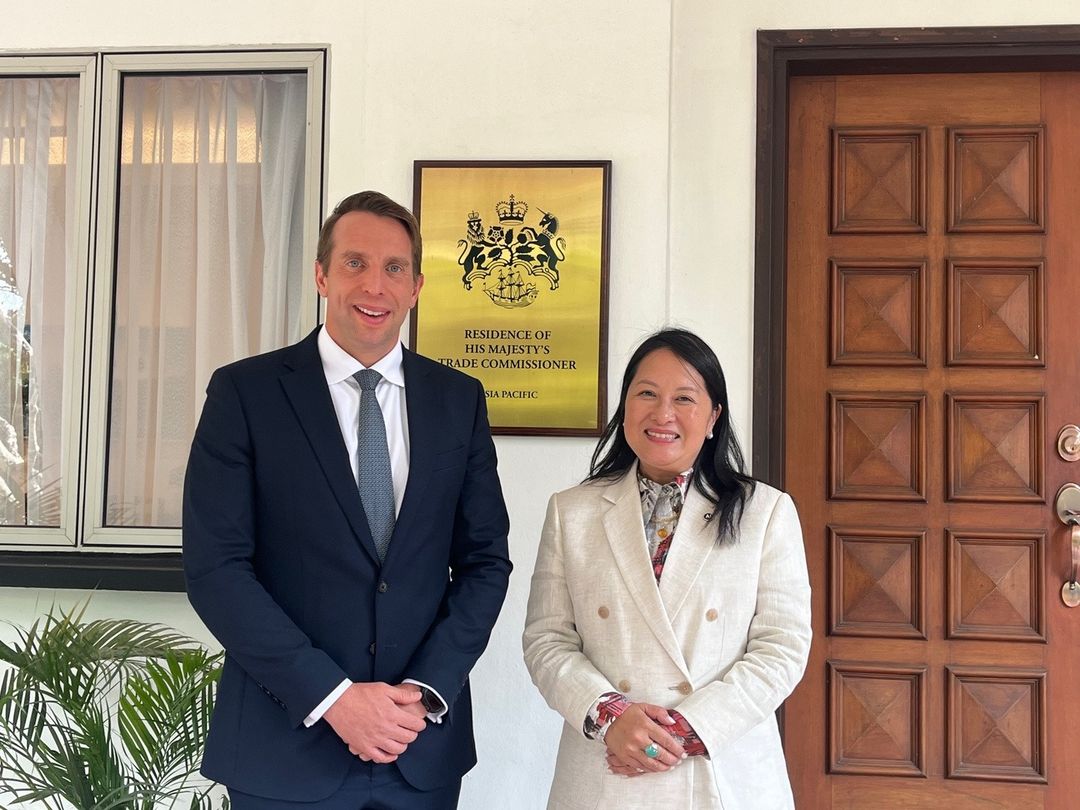




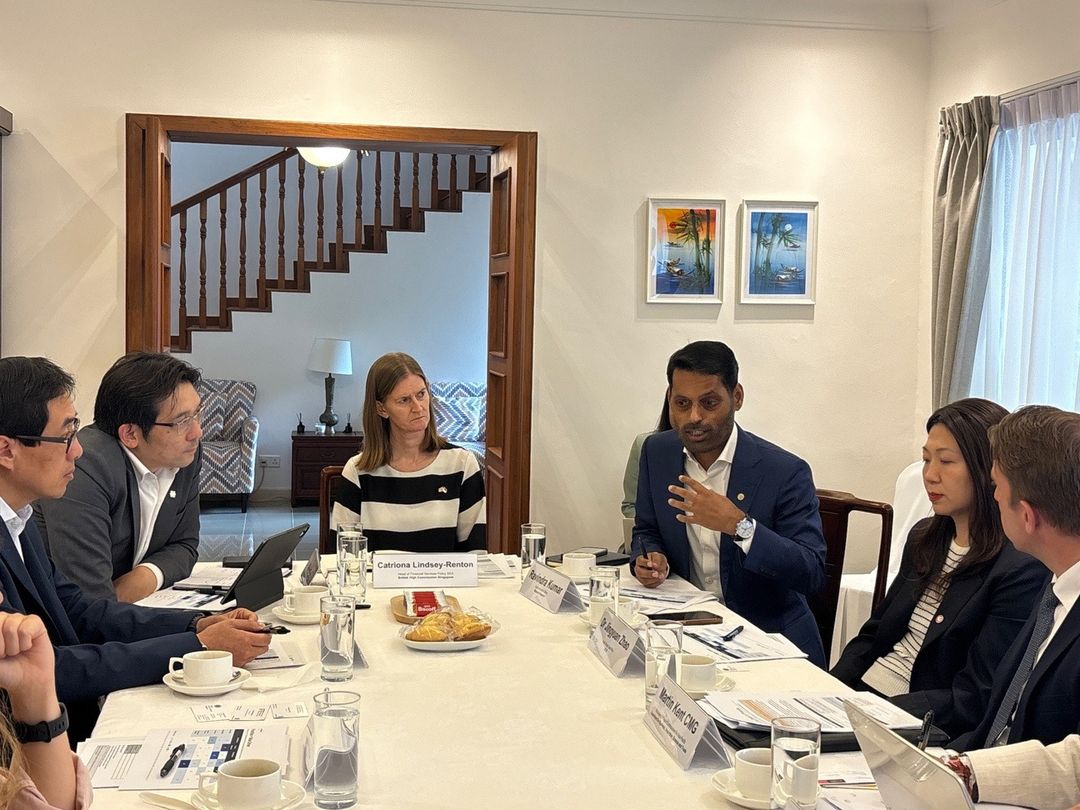




Martin delivered the opening remarks as host and co-chair, placing the discussion within the wider UK-Singapore relationship in financial services and technology. He highlighted the UK’s push to accelerate responsible AI adoption, including the Treasury-backed AI Adoption Plan for Financial Services, and noted the UK’s strength across both financial services and the AI ecosystem.
He also stressed the importance of cross-border collaboration, pointing to the UK-Singapore Financial Dialogue and the FCA-MAS AI-in-Finance Partnership as examples of how regulators and industry can share insights, test new approaches and support responsible adoption across markets.
No single institution, regulator or country has all the answers. The future of AI in financial services will be shaped through collaboration, shared learning and the exchange of ideas across borders.






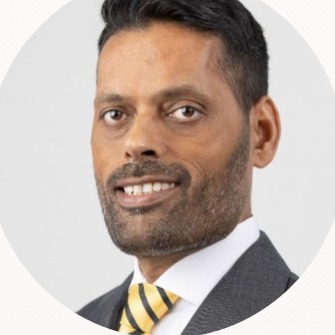





Represents the United Kingdom in Singapore and co-hosted the From Copilots to AI Agents roundtable with CFTE.
Centre for Finance, Technology and Entrepreneurship — a global capability platform for AI readiness and workforce transformation.
CFTE is AI capability infrastructure for financial institutions, regulators, central banks and governments, with hubs in London, Abu Dhabi and Singapore.
Register your interest below to secure your spot.
CFTE convenes leaders across finance, policy and workforce development in London, Abu Dhabi and Singapore. Join the community and the team will be in touch.